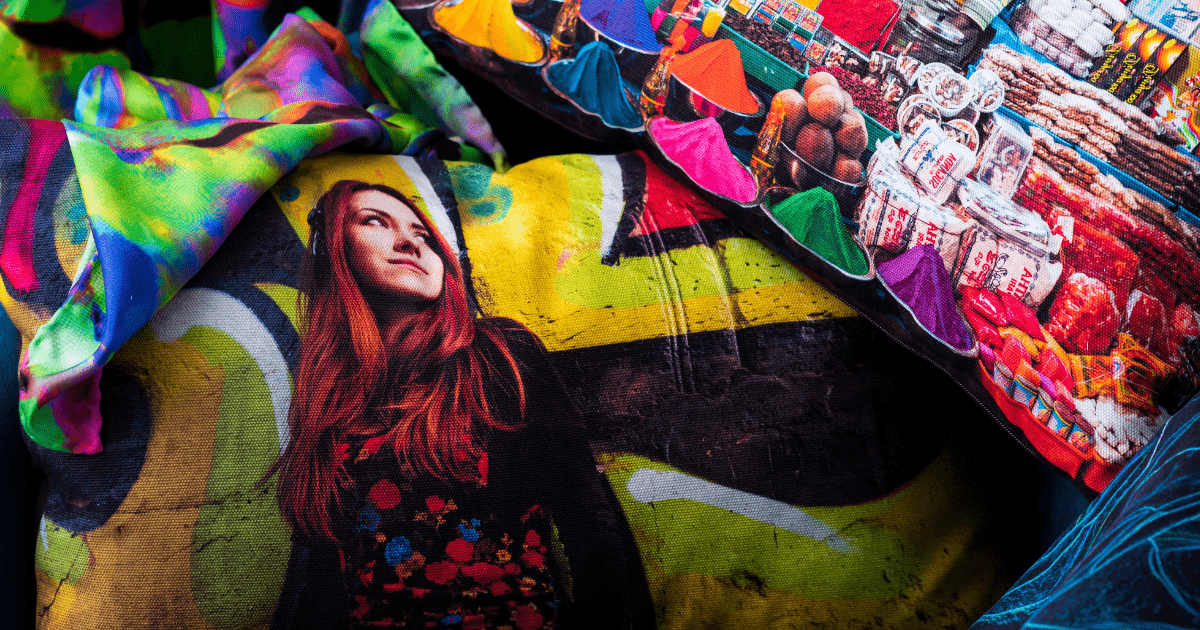
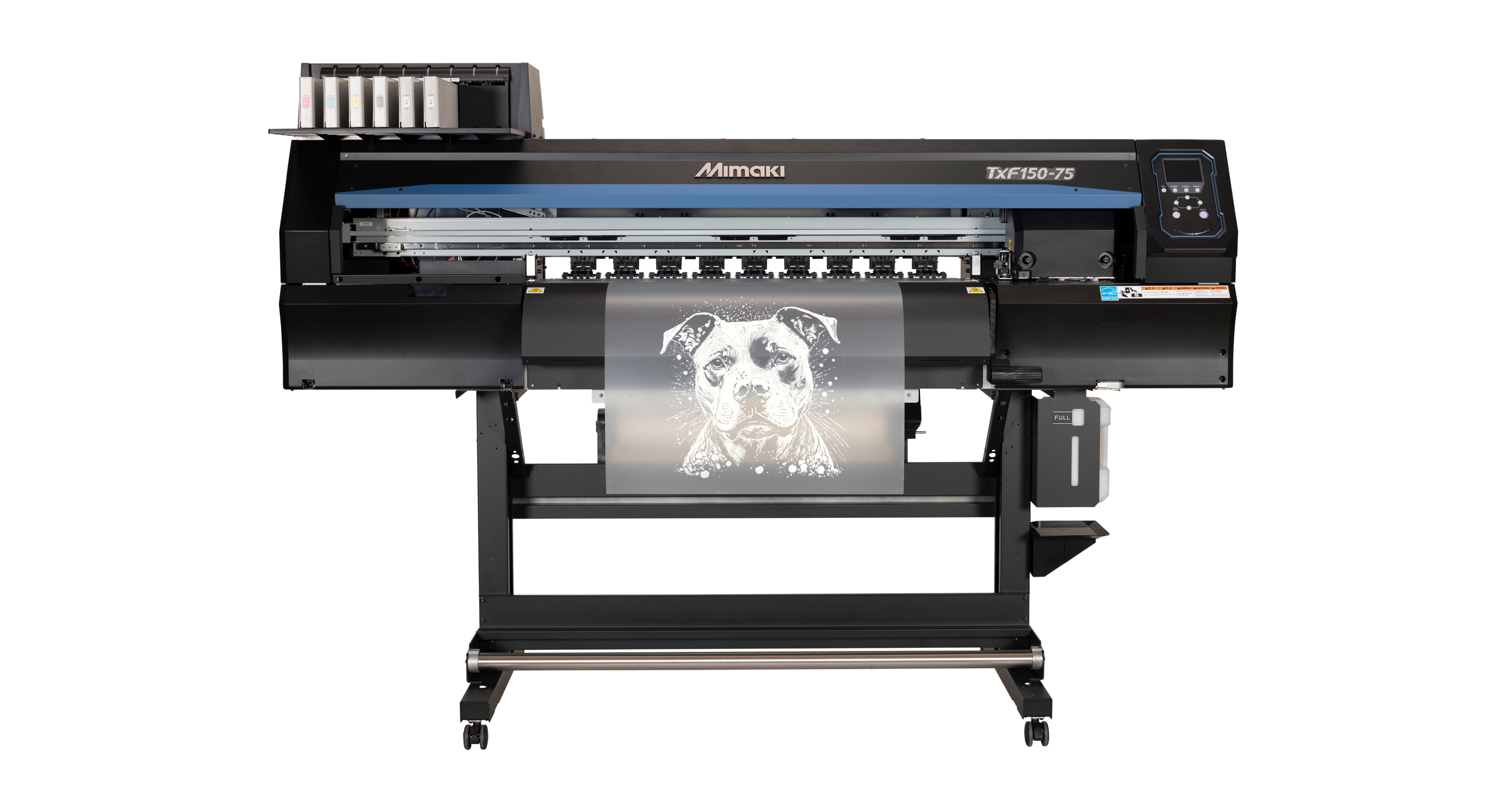
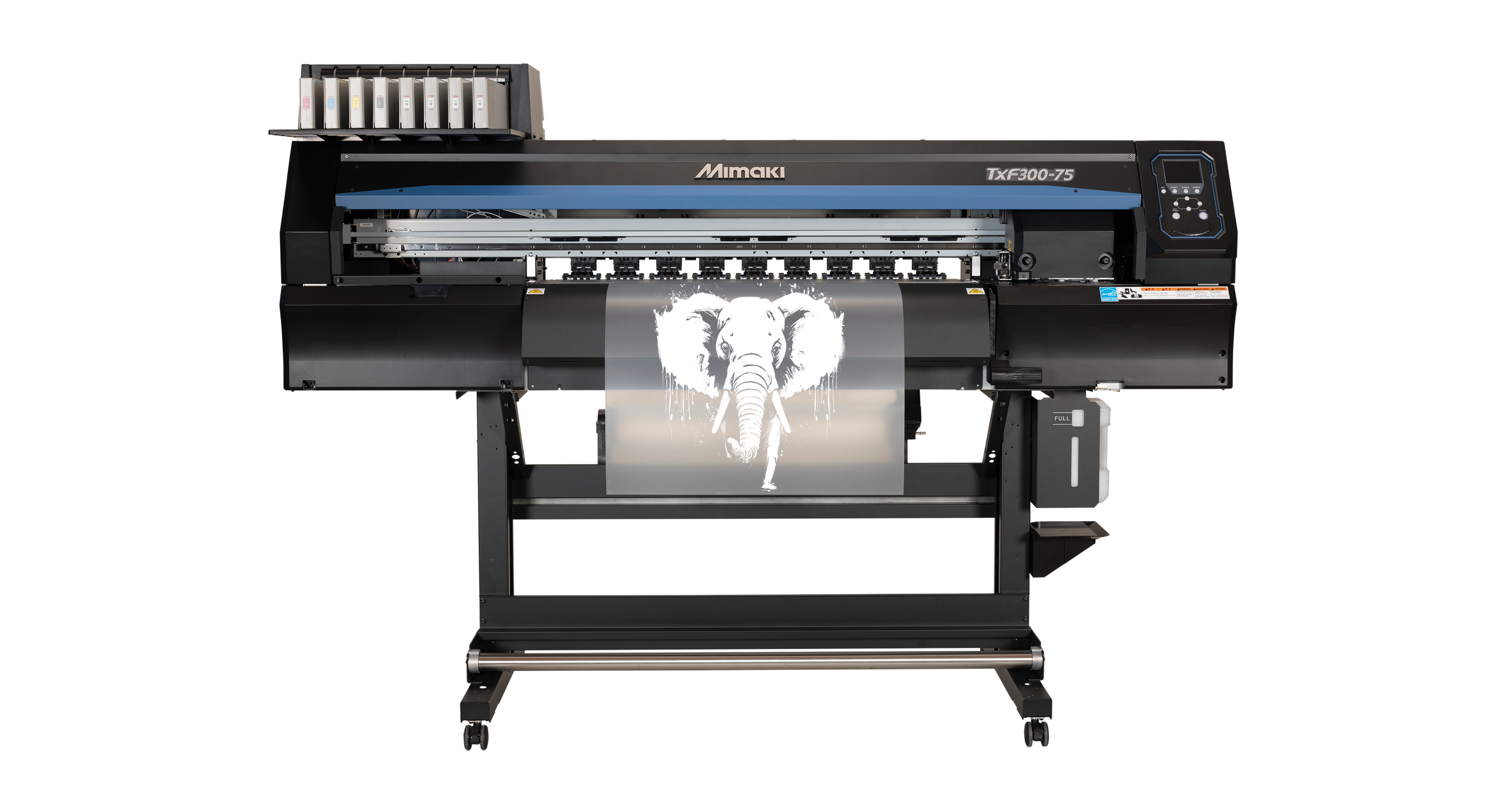
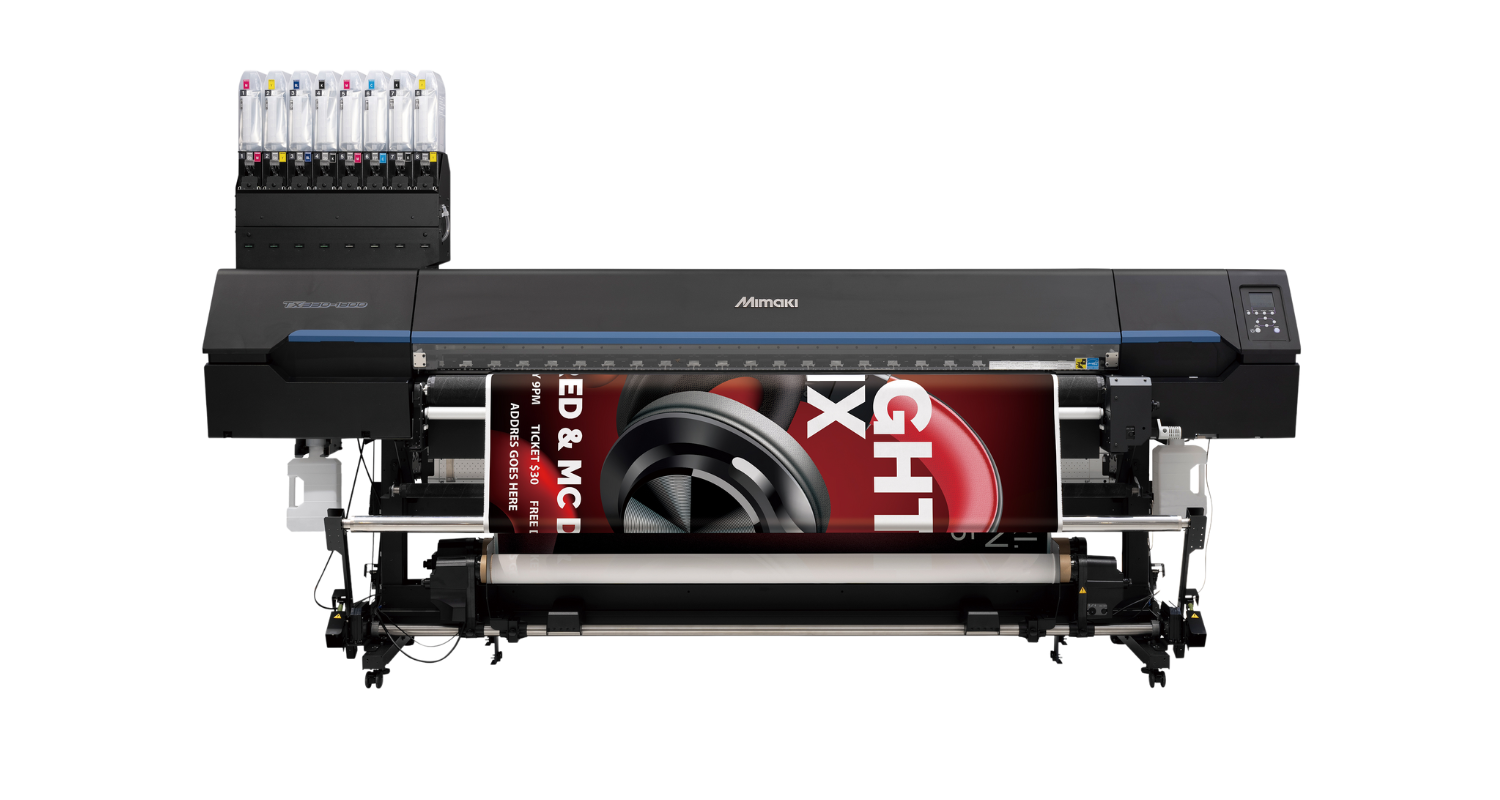
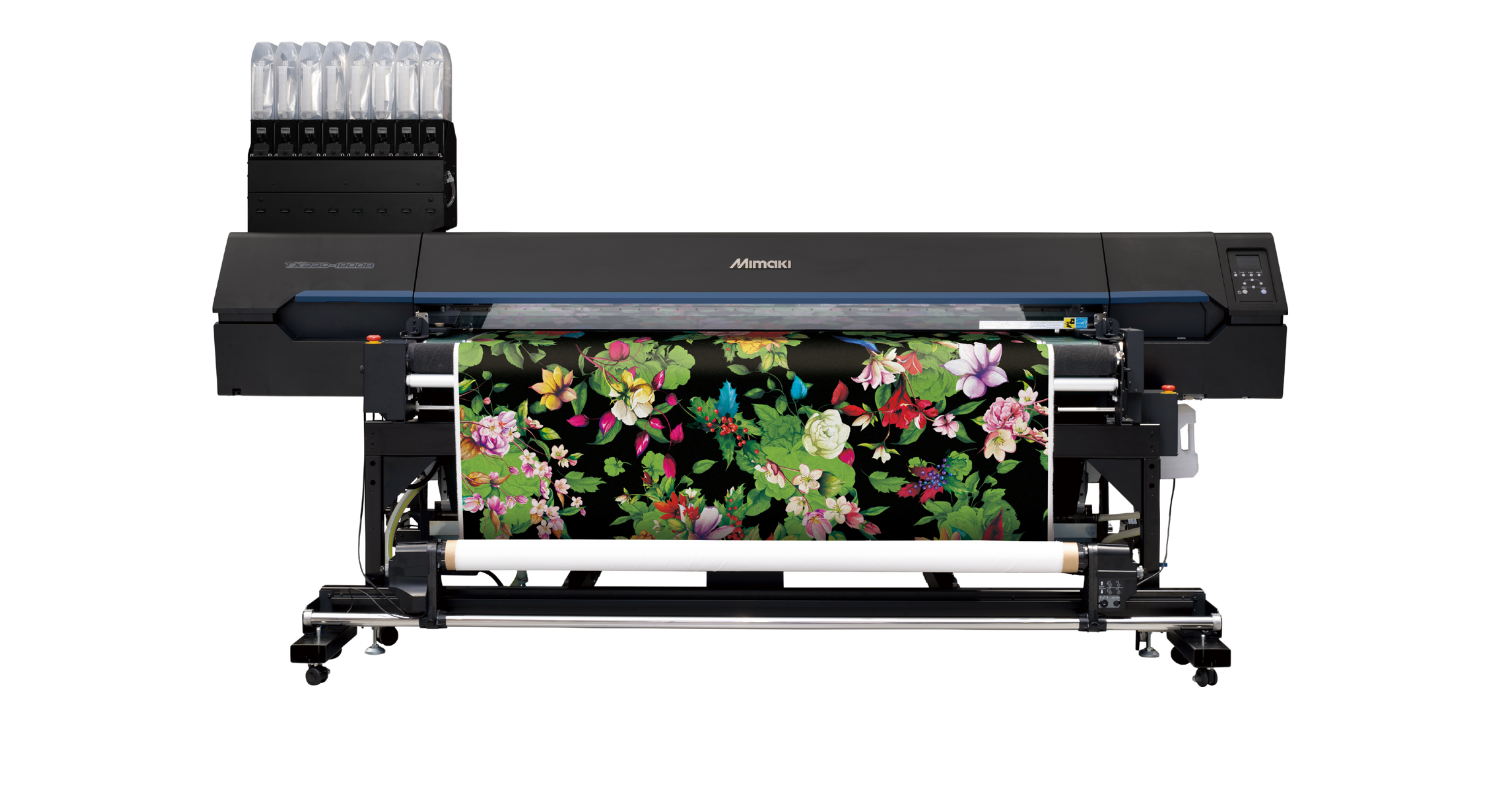
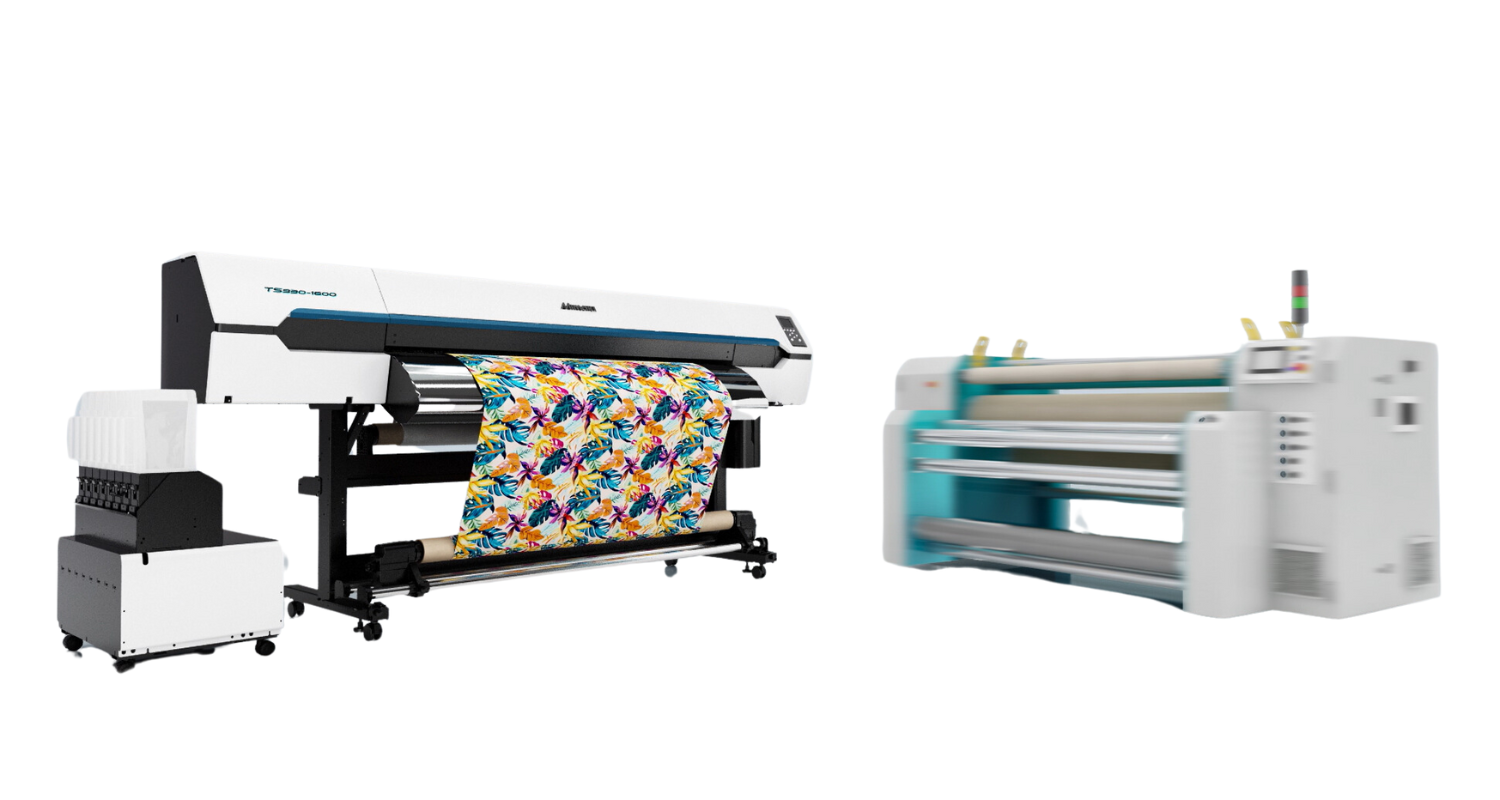
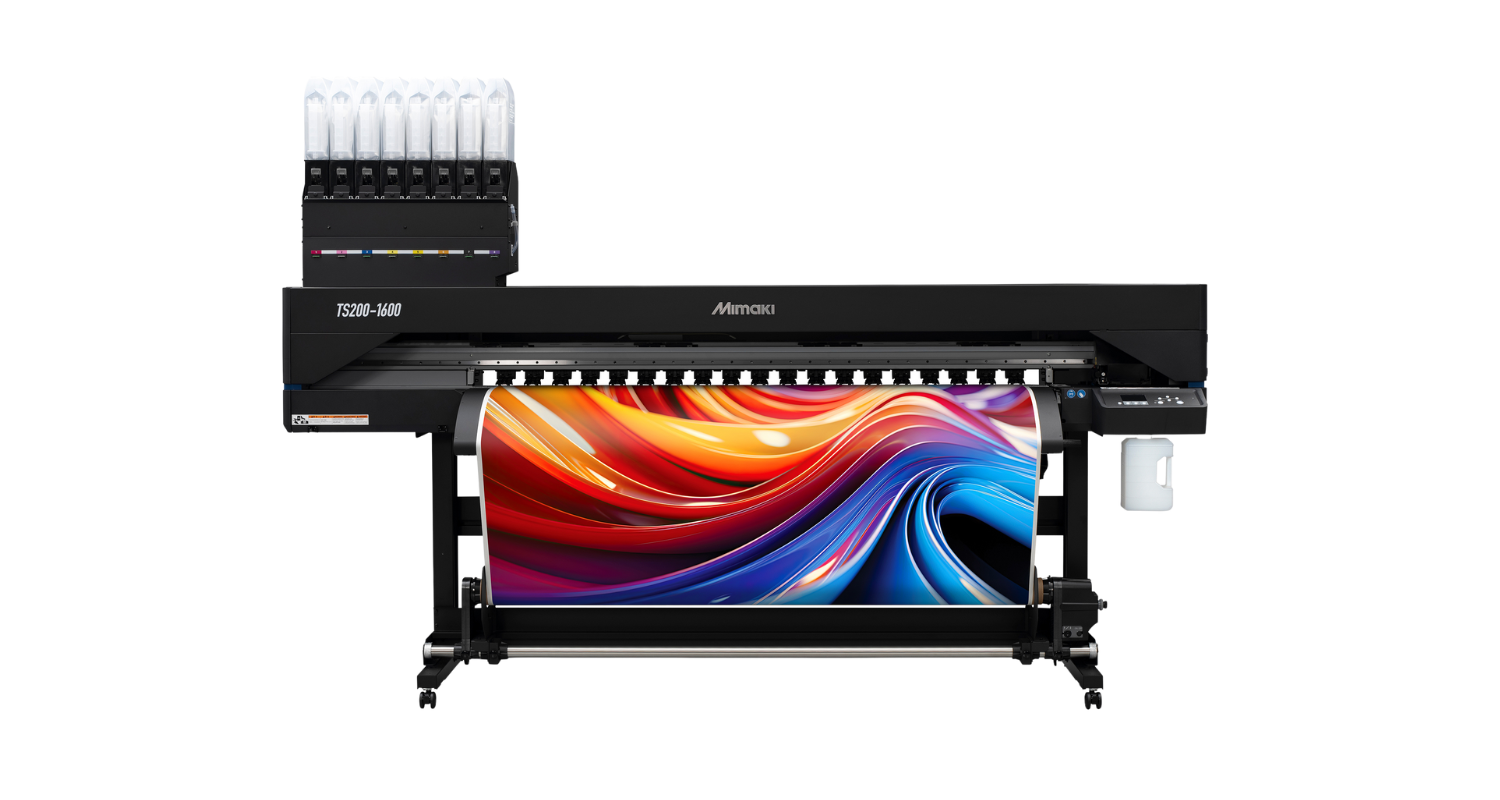
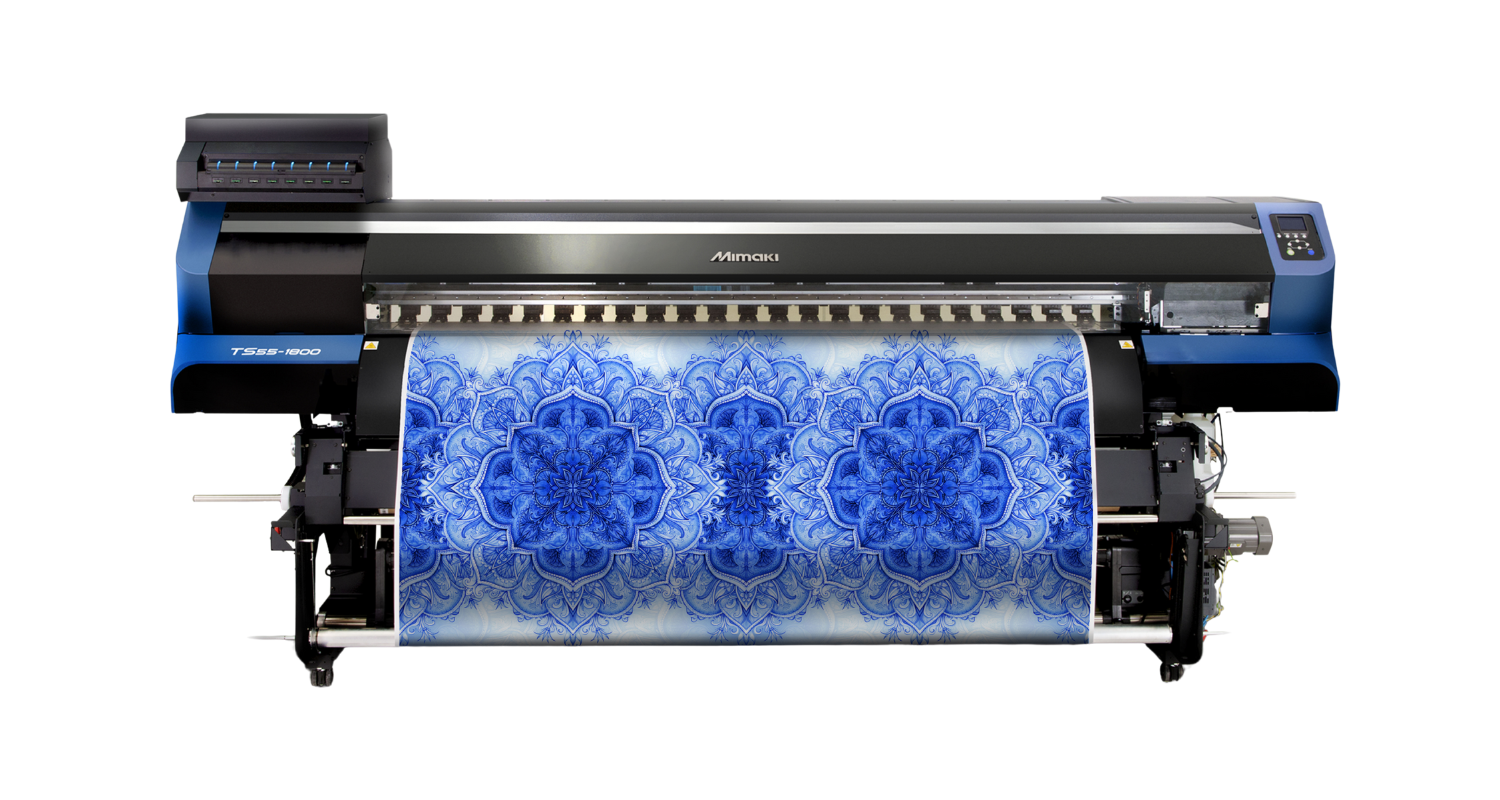
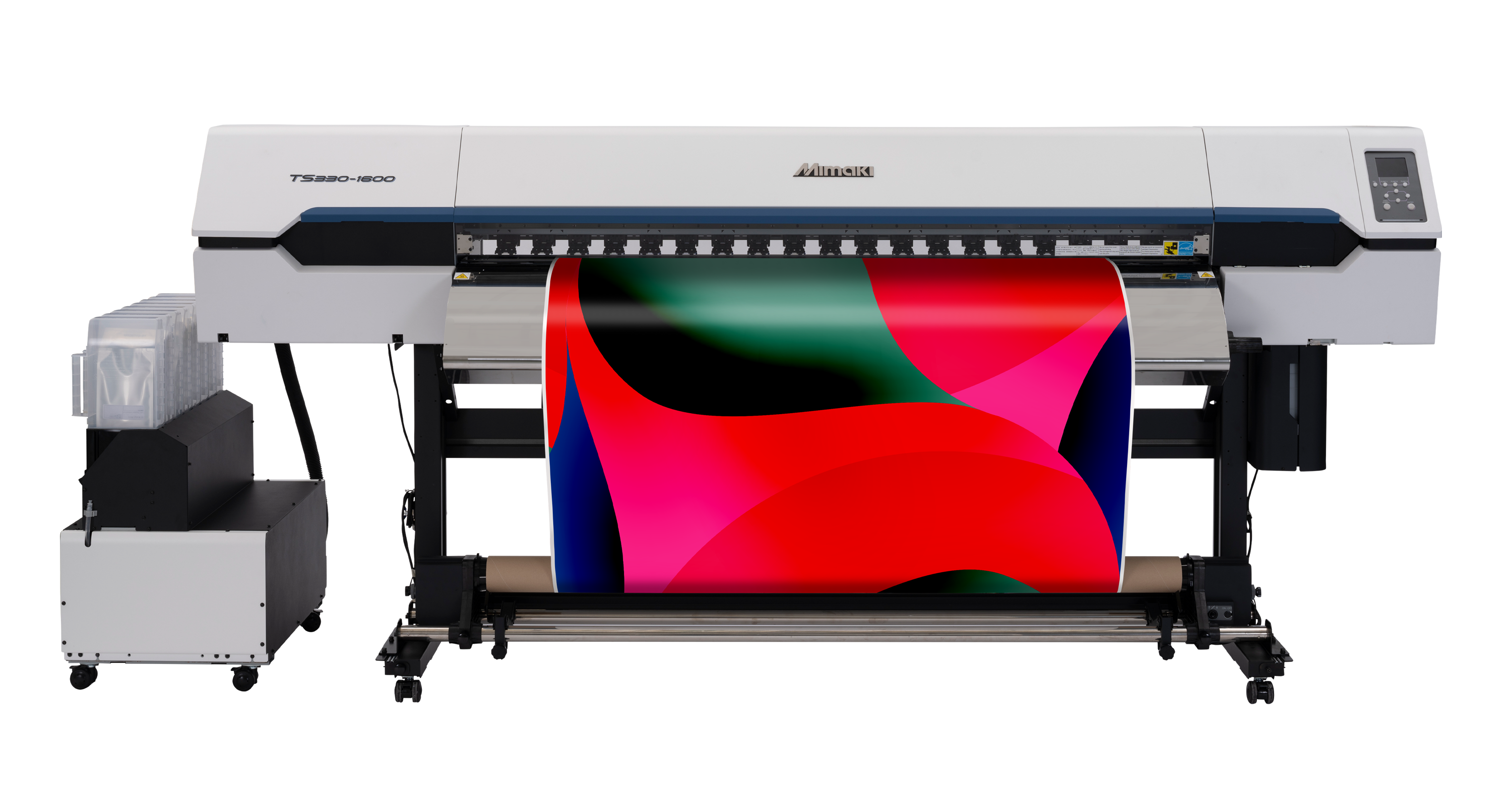
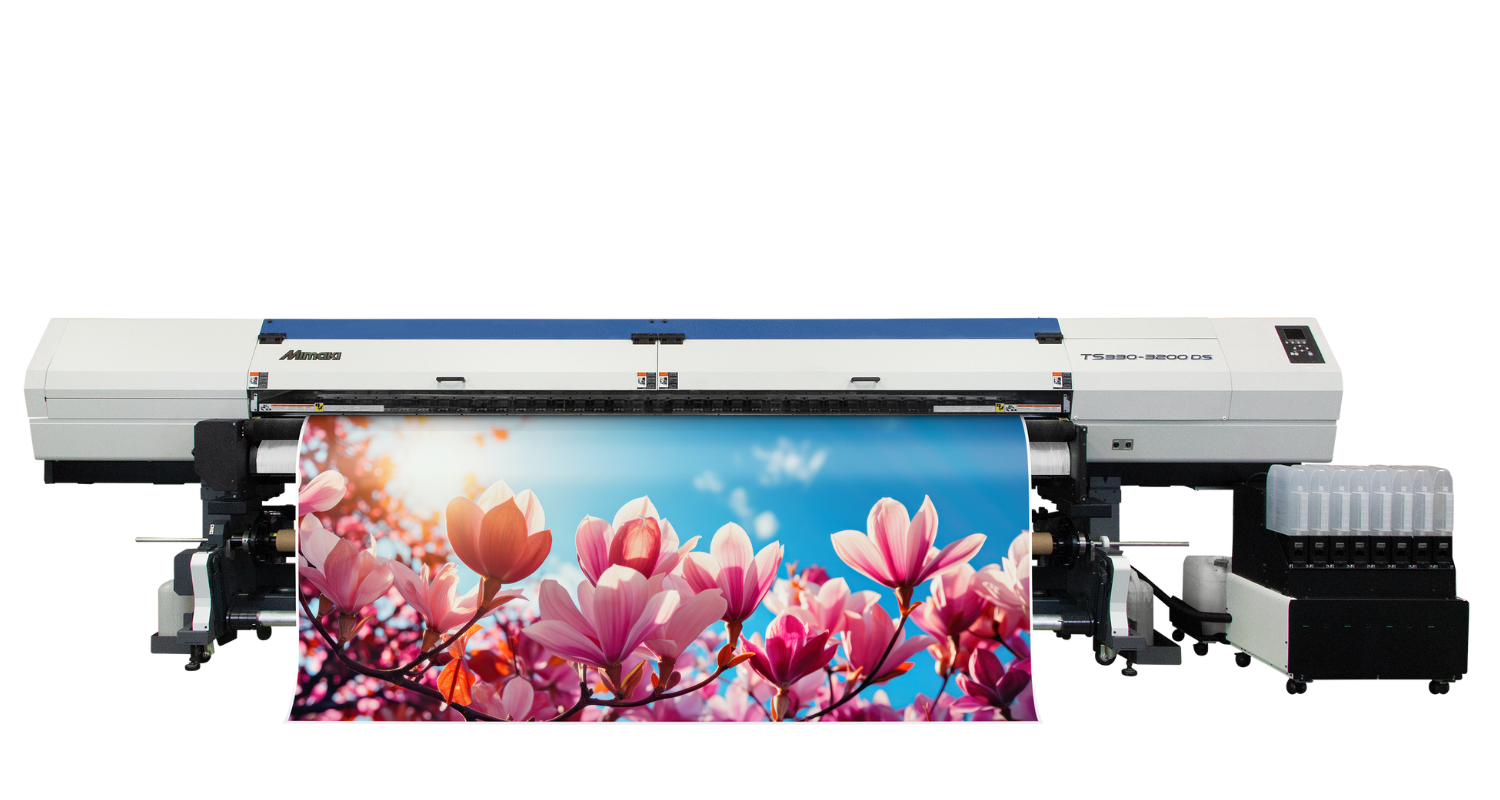
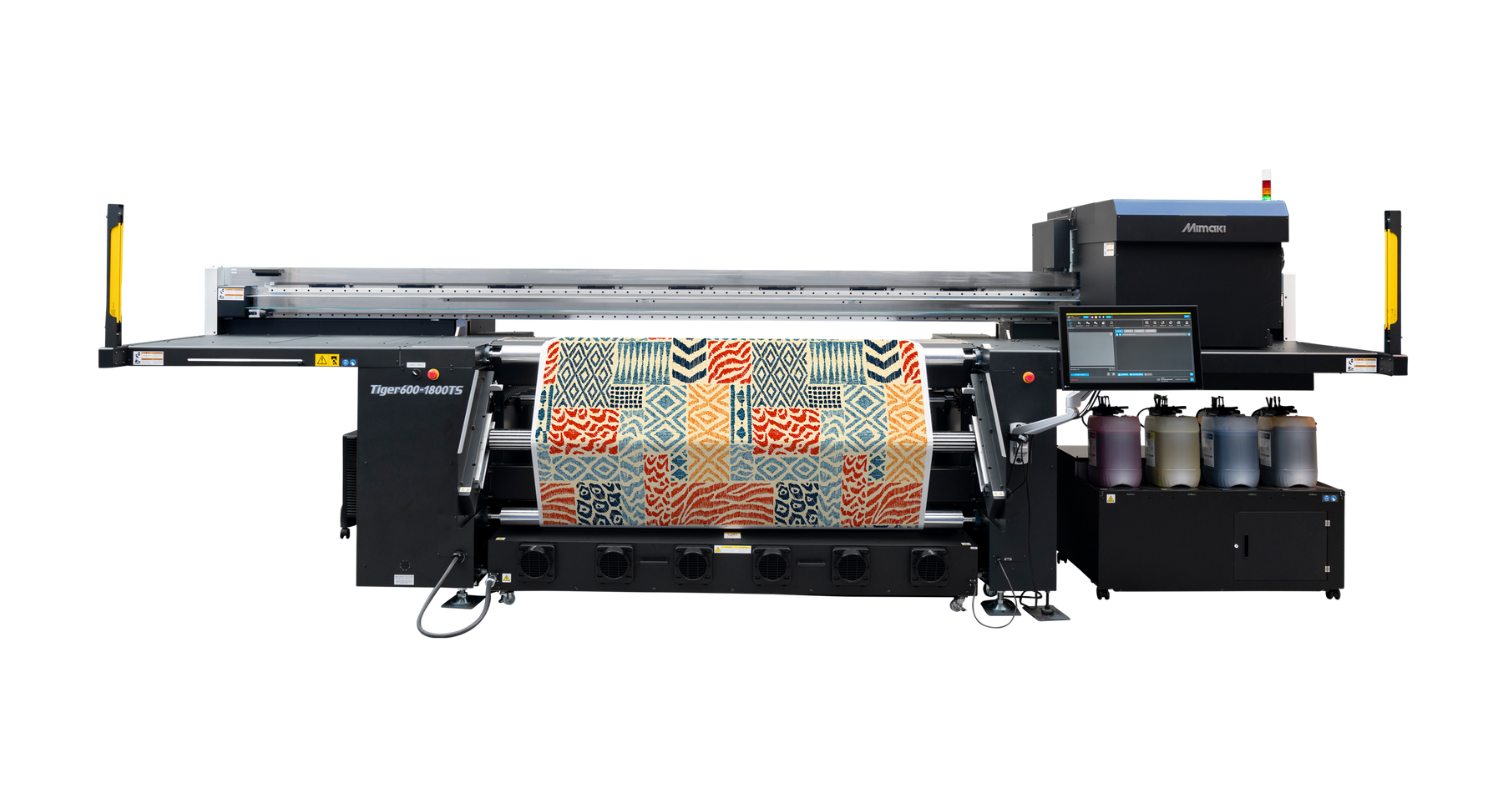
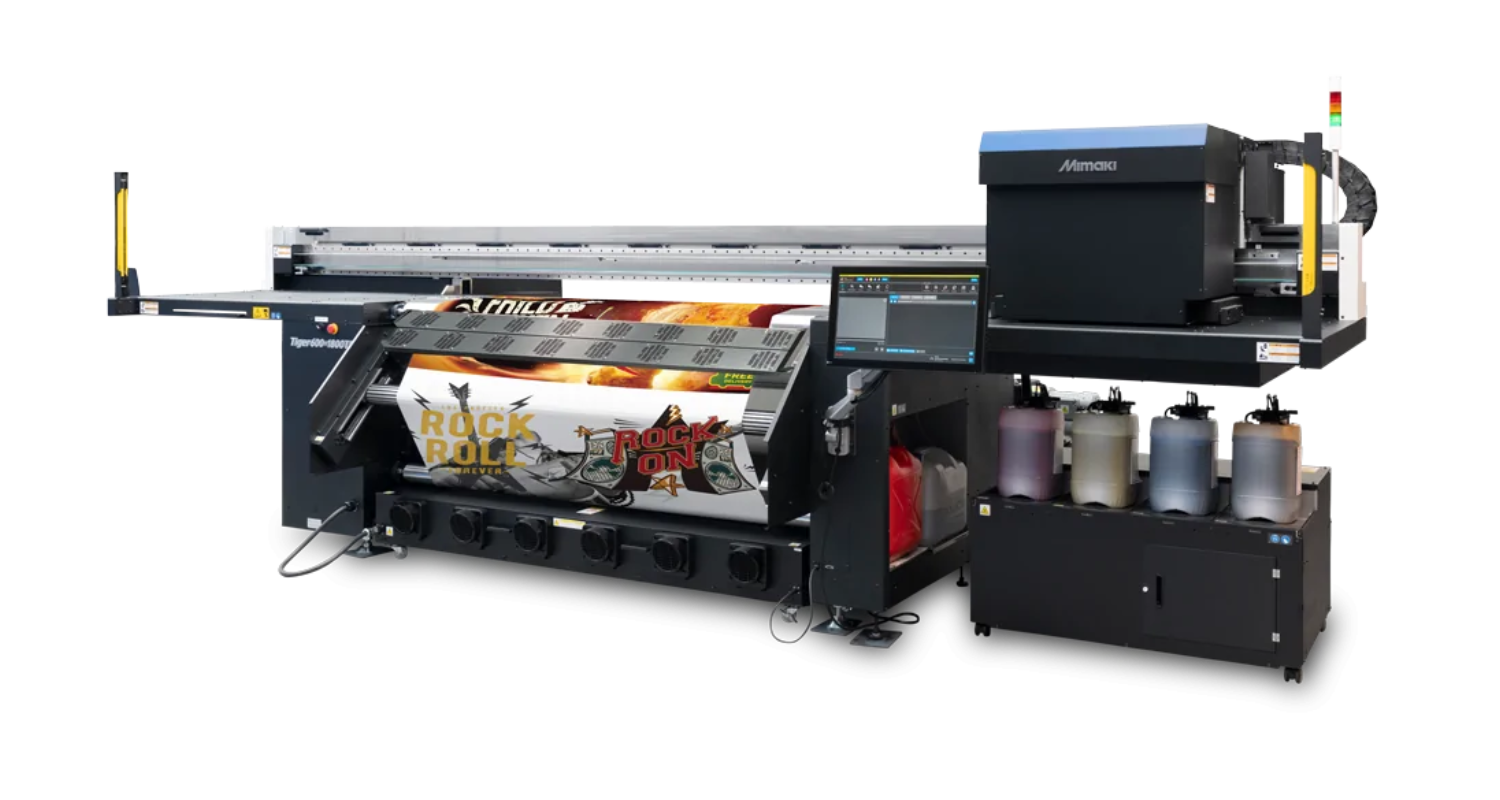

An analogue-to-digital transformation is currently taking place in the textiles and clothing market. Alongside conventional textile printing processes, digital printing is growing fast.
Get the latest thoughts and insight from our expert authors.
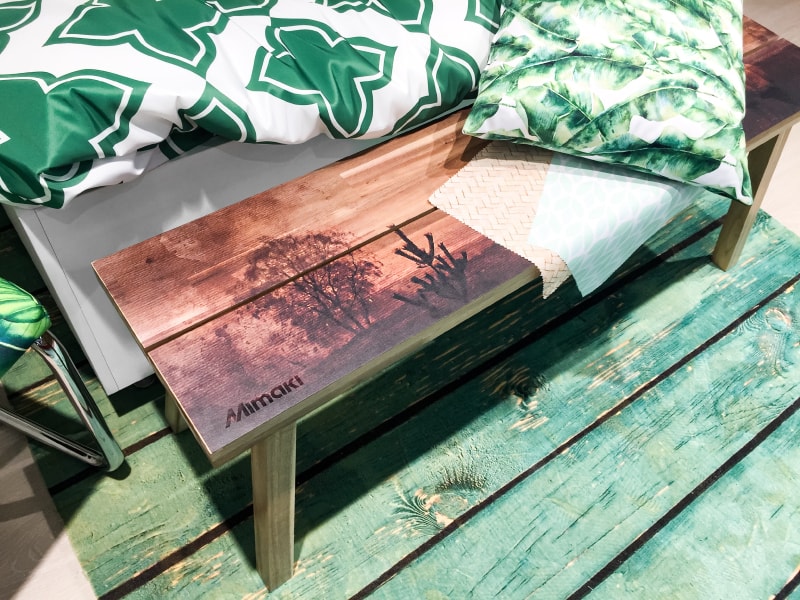
Digital printing technologies are revolutionising interior décor business according to our guest blogger, Mark Sollman, Application Manager at Mimaki. Not only can these items be produced more rapidly and with less waste than with traditional manufacturing processes, digital printing offers the ability to customise – or even personalise – interior décor. This is a growing demand from retiring Baby Boomers as well as Millennials and Gen-Zers, who want to customise their home environments. Businesses also benefit from the ability to customise their interior décor, and the affordability of changing the décor as needed.
When producing print for more sensitive user environments, such as the education and healthcare sectors, ink plays a highly important role. Mimaki is a manufacturer committed to developing the most technologically advanced as well as the safest inks and has made an extensive research and development investment over the years to ensure its inks meet the most stringent of environmental and safety criteria.
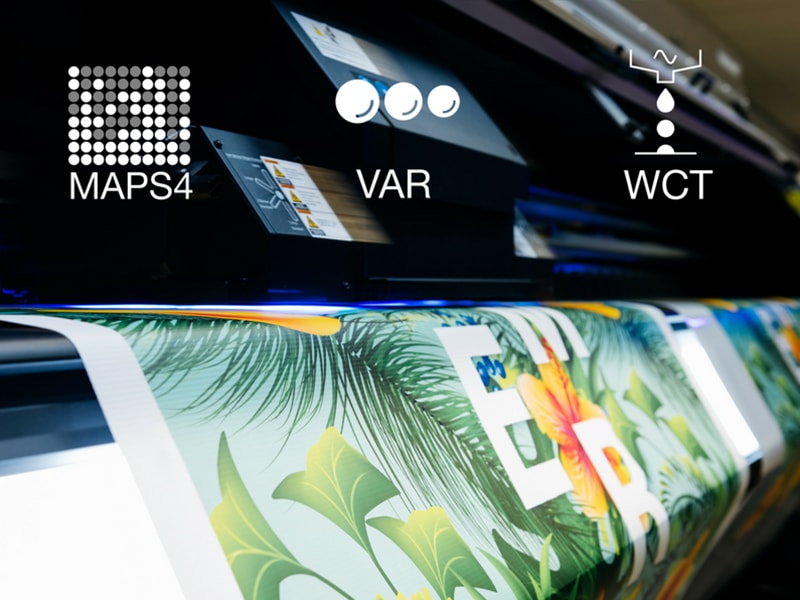
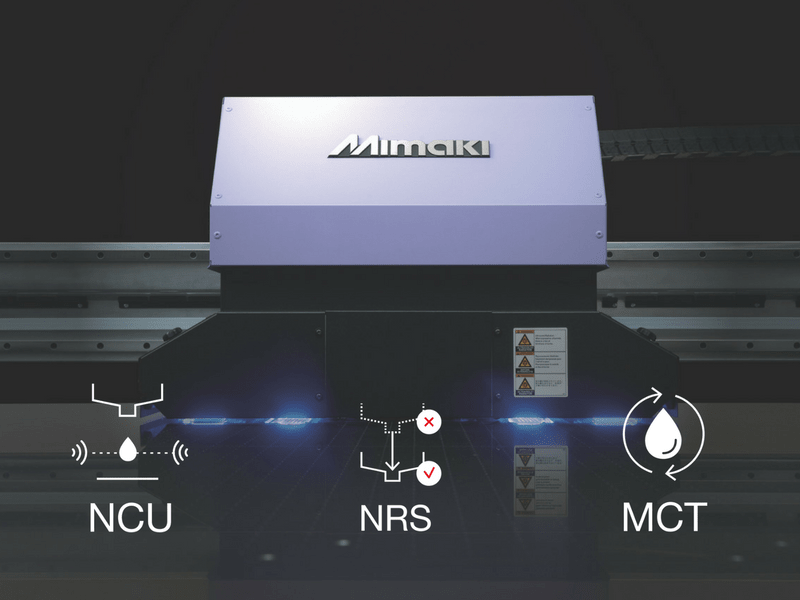
Mimaki’s Core Technologies are specifically engineered to assist print operators in two broad areas; ensuring stable production and delivering high image quality. A series of innovative and proprietary features result in empowering users to deliver unsurpassable image quality – a reputation Mimaki is understandably proud of.
Mimaki’s Core Technologies are specifically engineered to assist the operator in two broad areas; ensuring stable production and delivering high image quality. A series of innovative and proprietary features safeguard productivity and provide a helping hand, right where it’s needed – at the heart of the production environment.
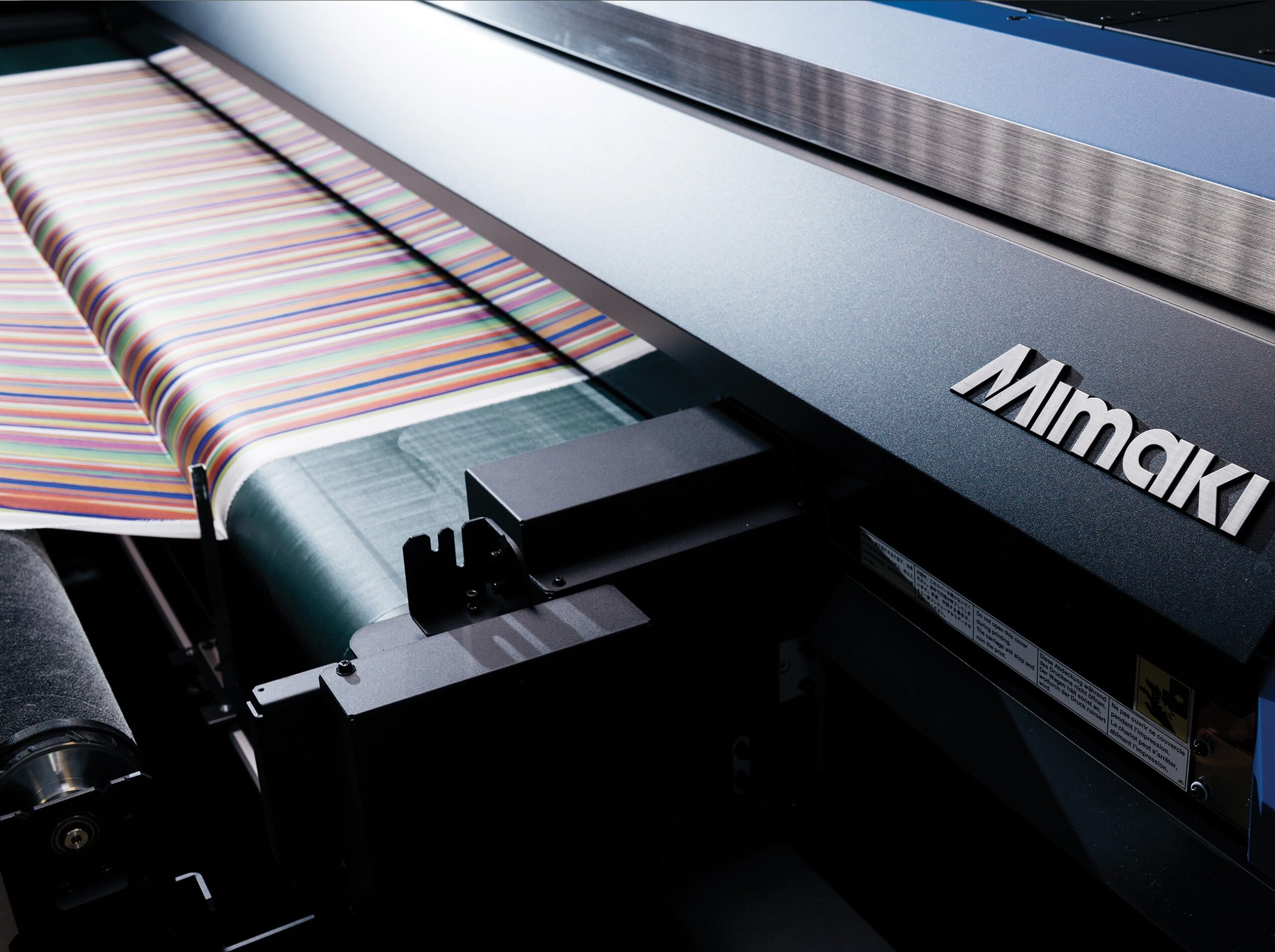
Mimaki’s strong heritage in textile and dye sublimation printing technology places it at the forefront of the market for fashion applications, with opportunities for entry-level right the way through to large-volume production. Key influencing factors in the industry at present include the new ink technology that has brought ink costs for fashion production down, making it more cost-effective to produce on home soil, something which is revitalising the British fashion industry.