



Blog
Get the latest thoughts and insight from our expert authors.
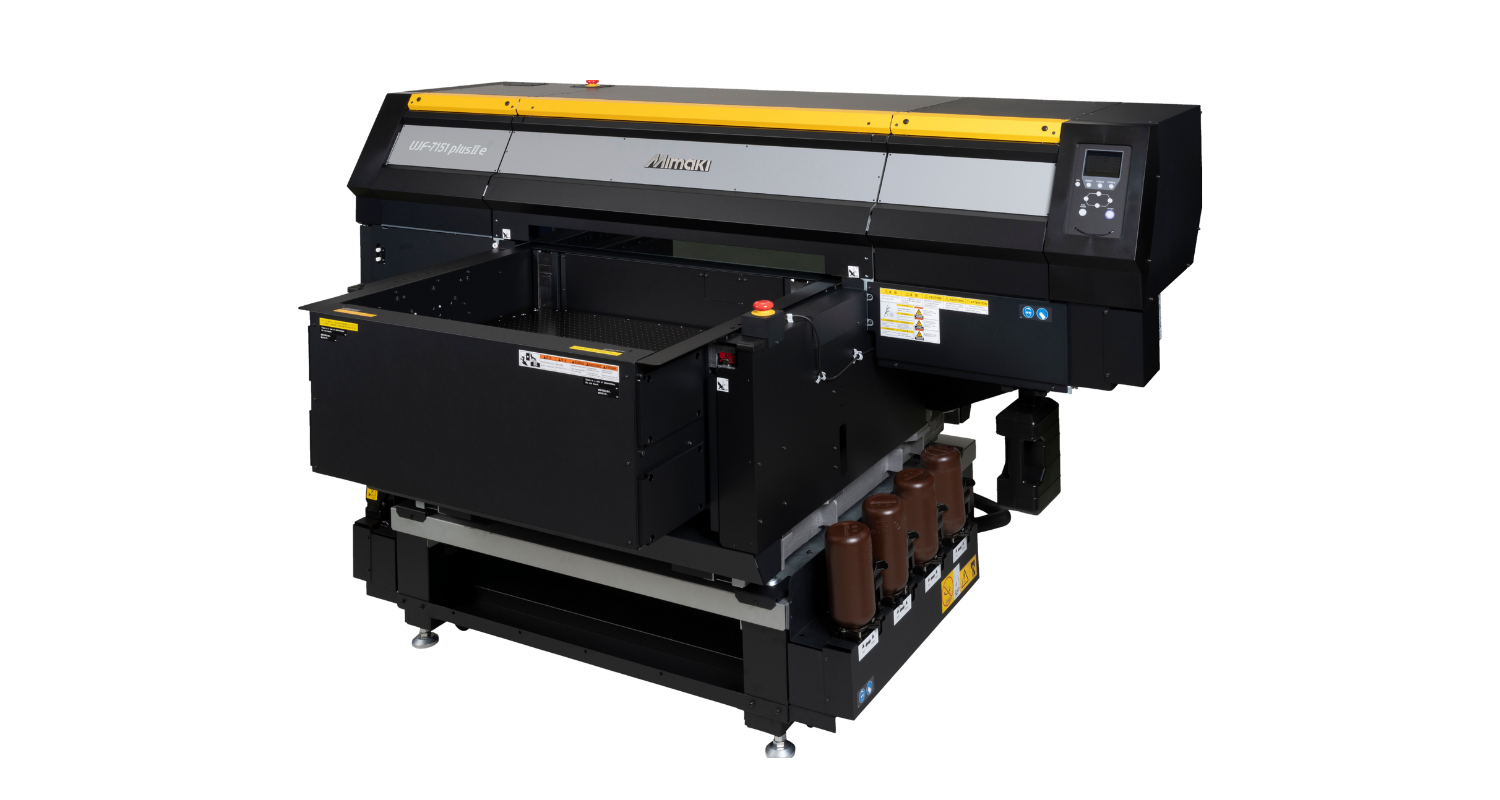
Five ways the Mimaki UJF-MkII e Series is revolutionising the Personalisation Market
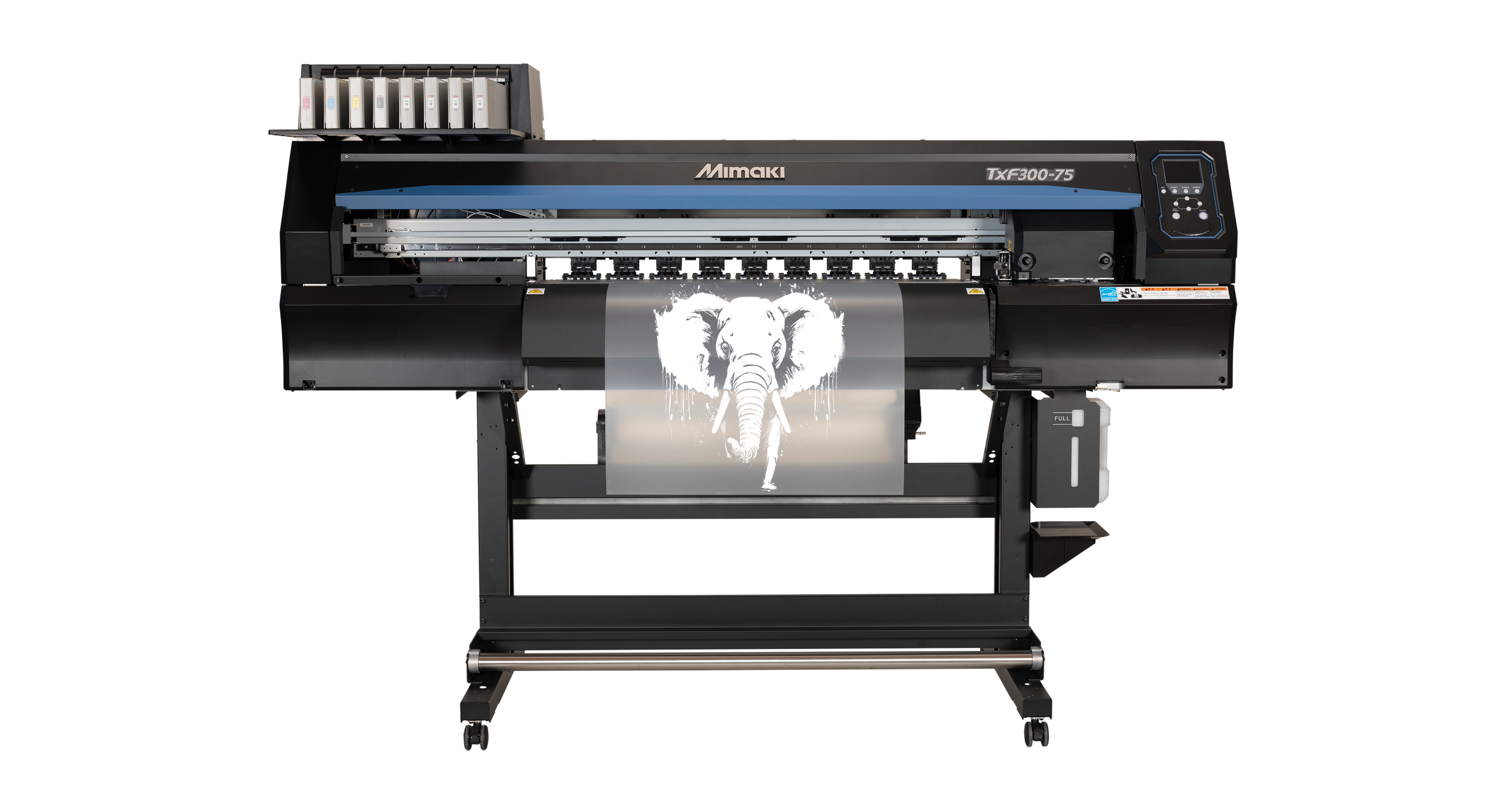
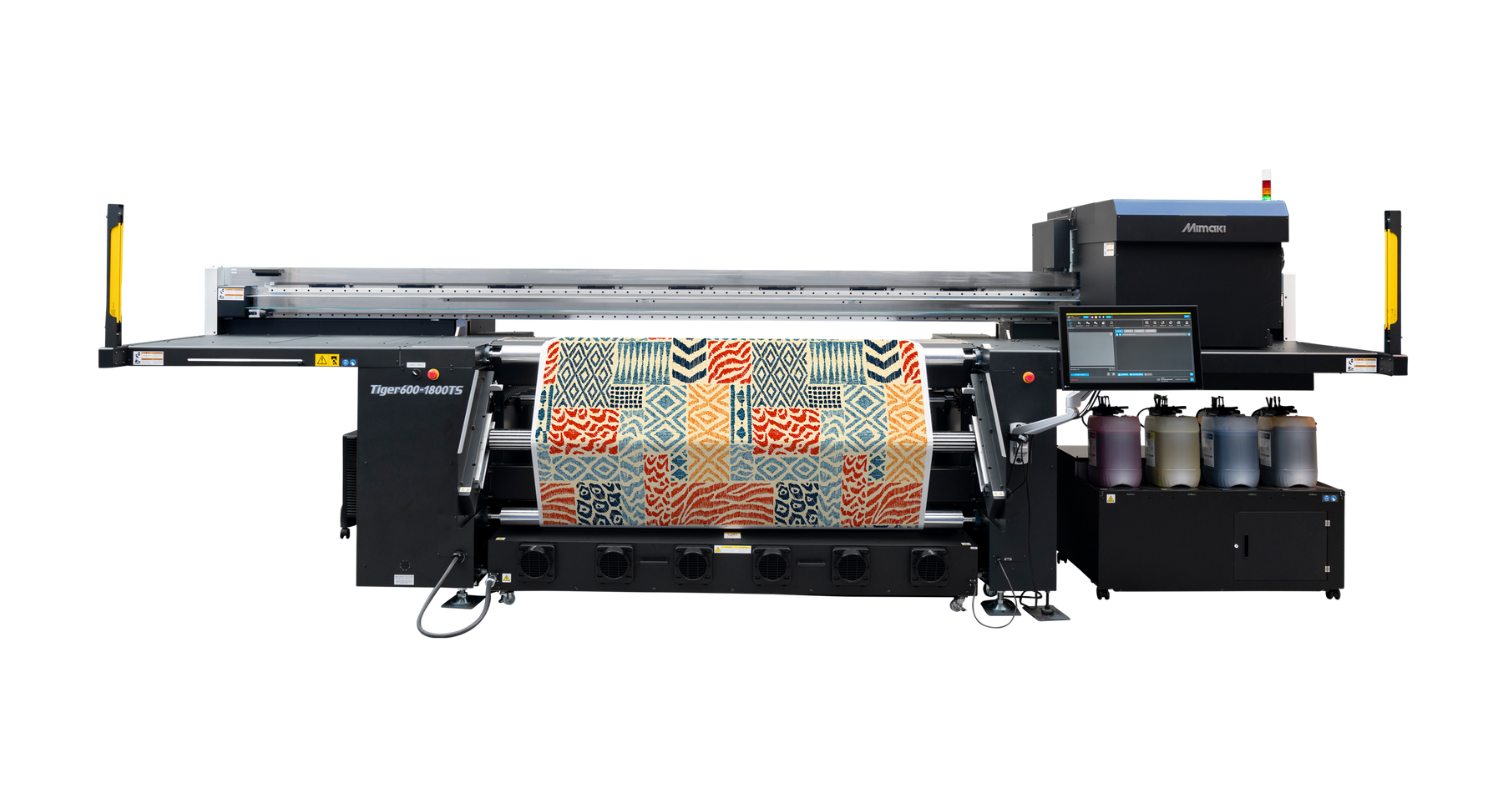
GUEST BLOG: Direct-to-Film Technology – Shaking Up Digital Textile Printing
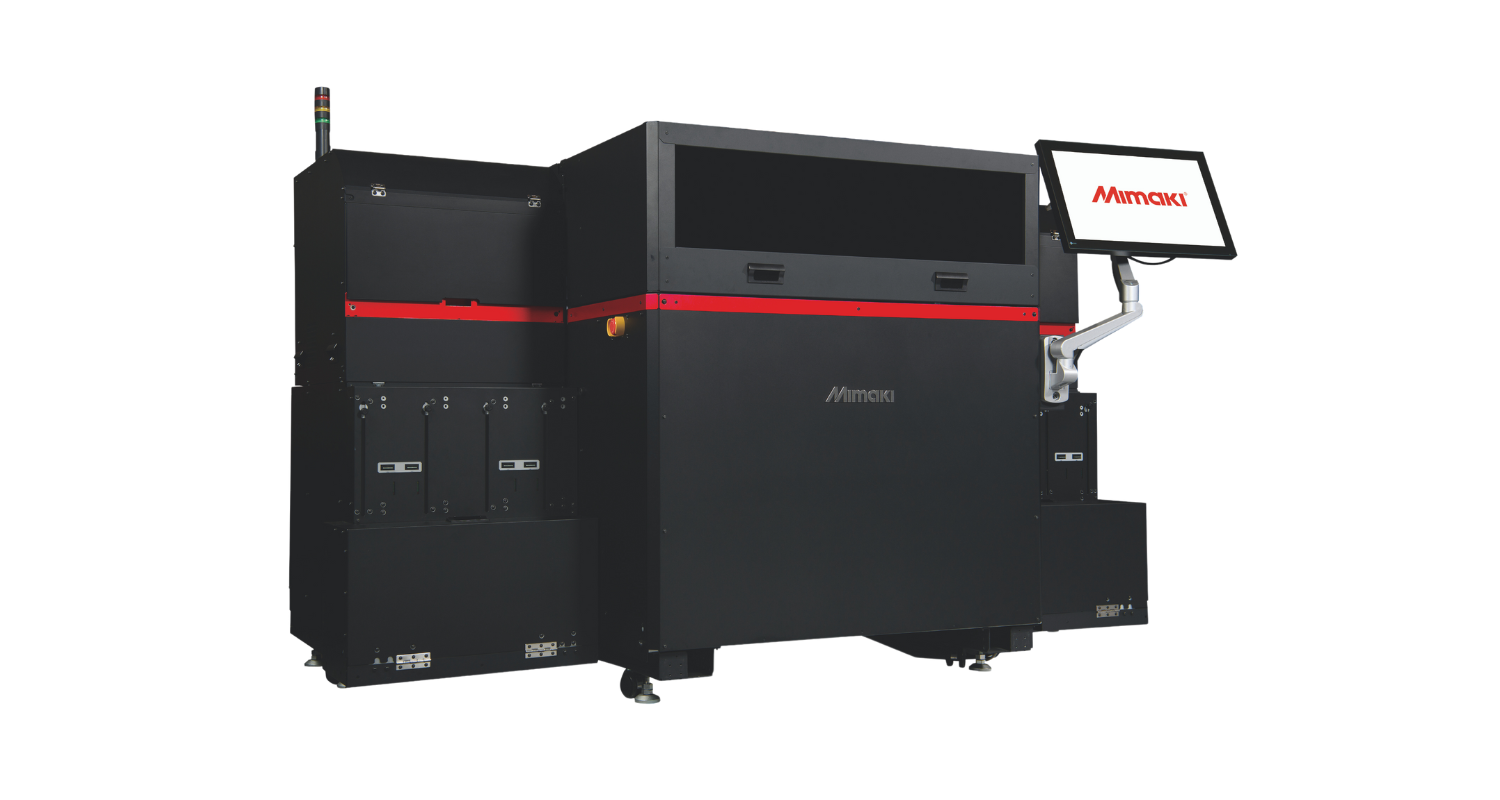
GUEST BLOG: Benefits of 3D Printing Architectural Models
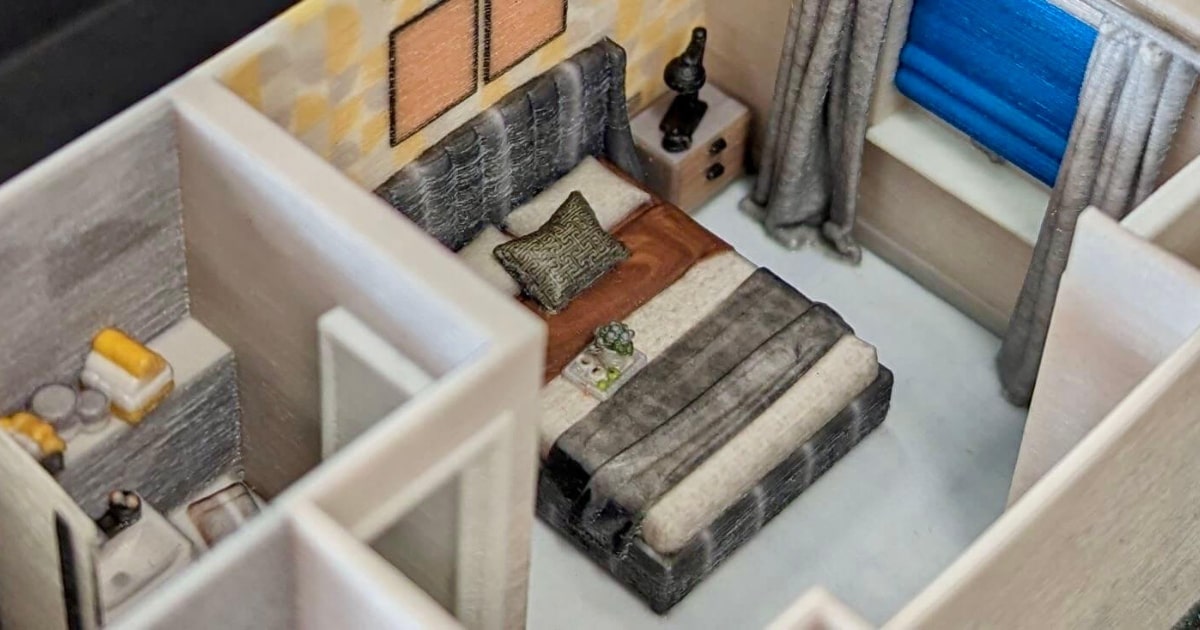
Traditional architectural models would have historically been made by hand, with many of it’s features being produced in foam, plastic or even wood. However, with the advancements in 3D printing technology we are able to create a 3D printed architectural model at a fraction of the cost with much quicker time-scales, compared to traditional methods.
GUEST BLOG: Creating a 3D Print of Stained Glass Windows
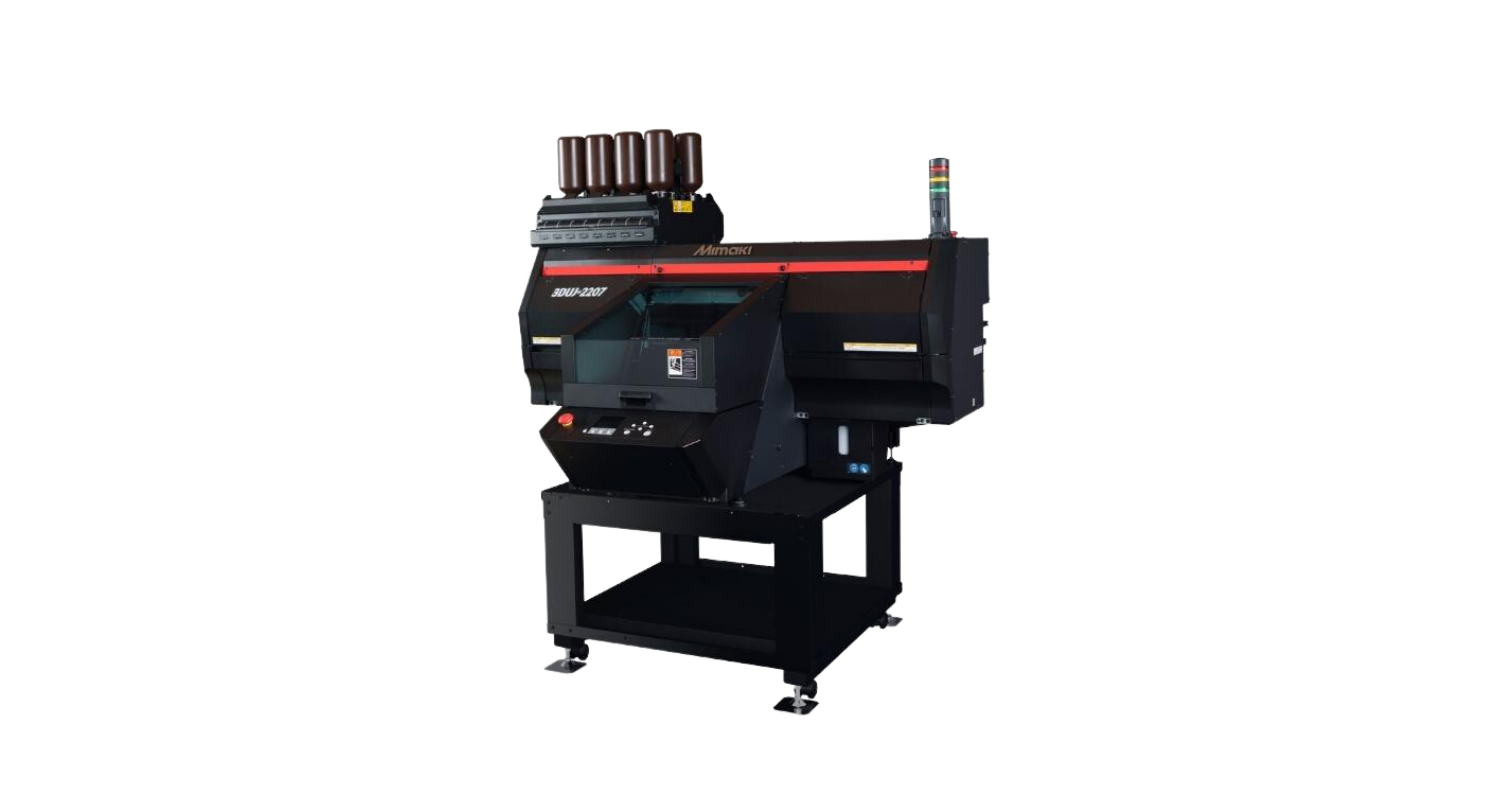
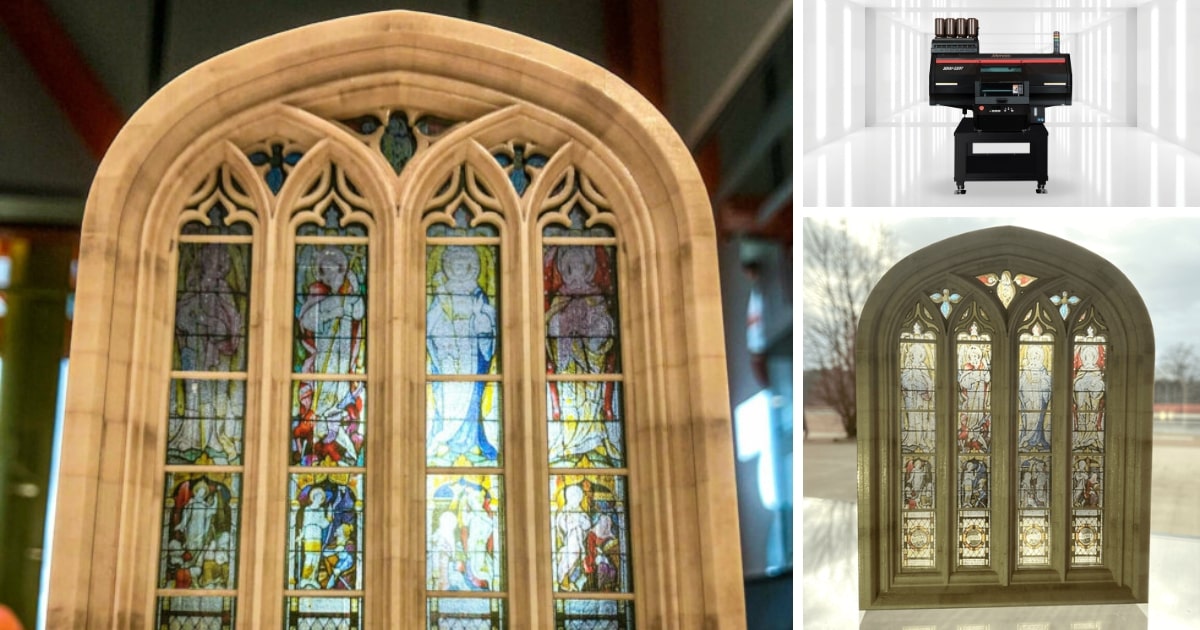
Having recently joined forces with Hybrid Services in a colourful new partnership, Hobs3D has been able to extend its portfolio of services with the installation of the Mimaki 3DUJ-2207 – a high-definition 3D printer with full-colour-modelling capabilities.

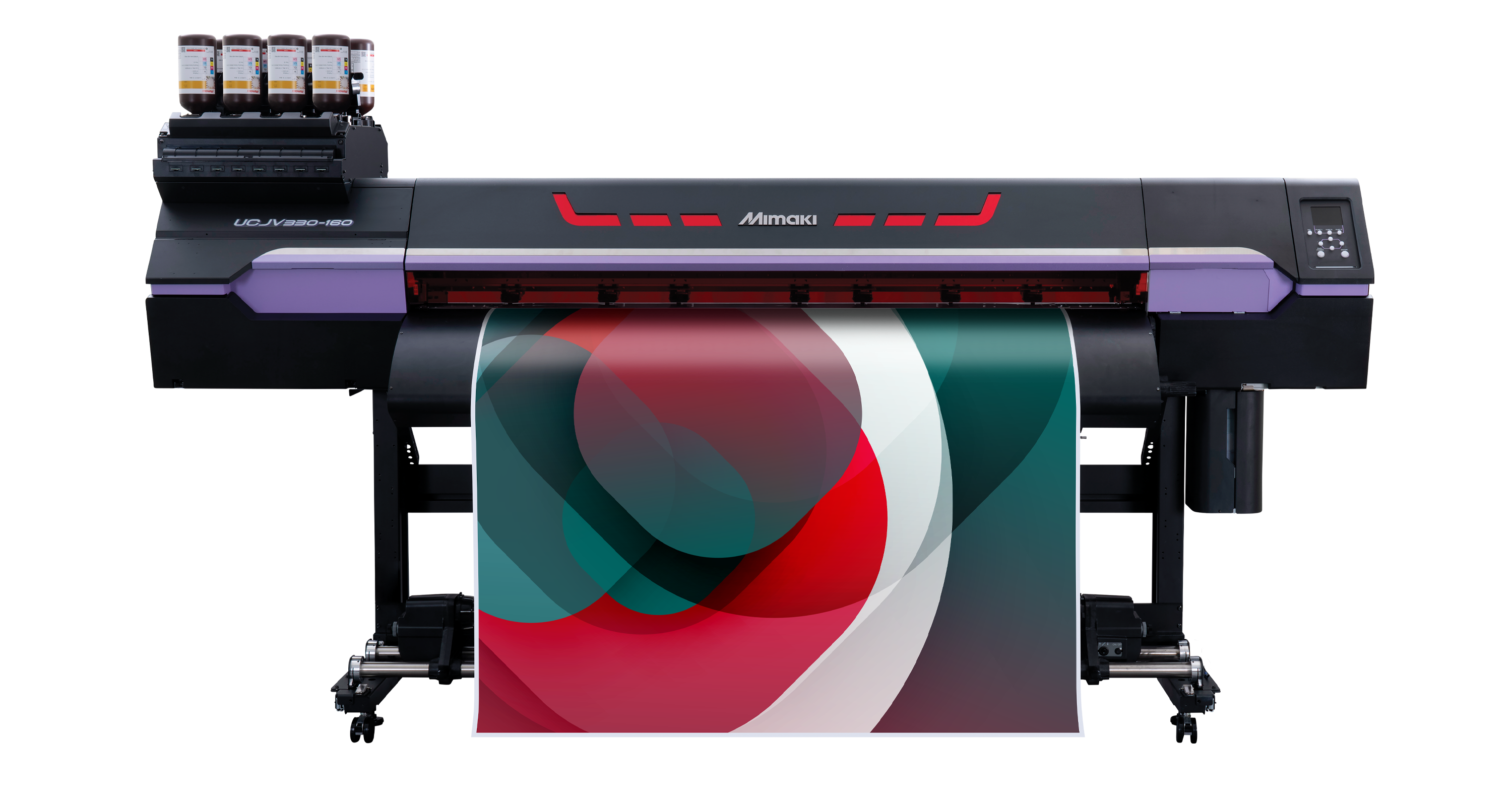
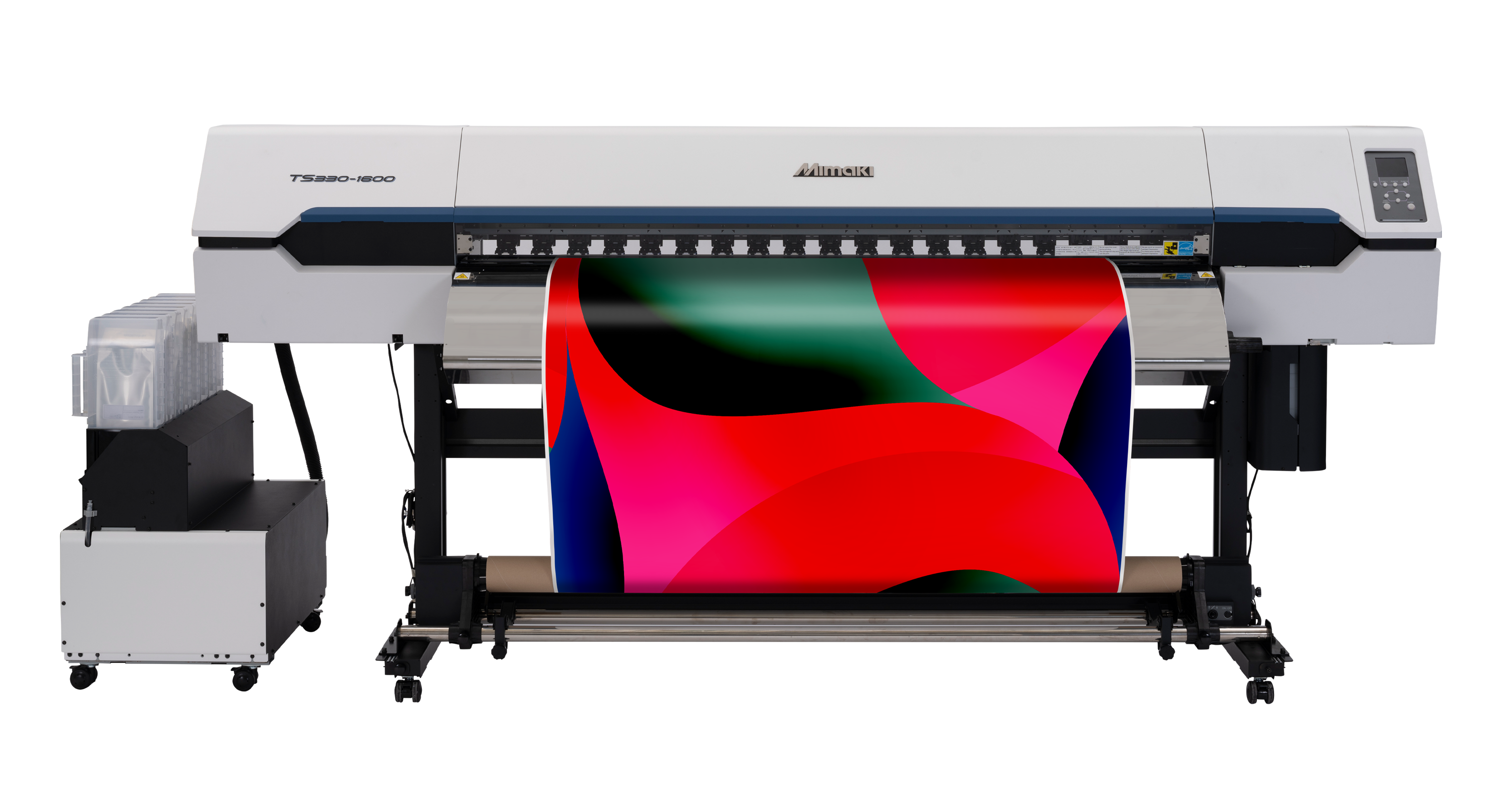
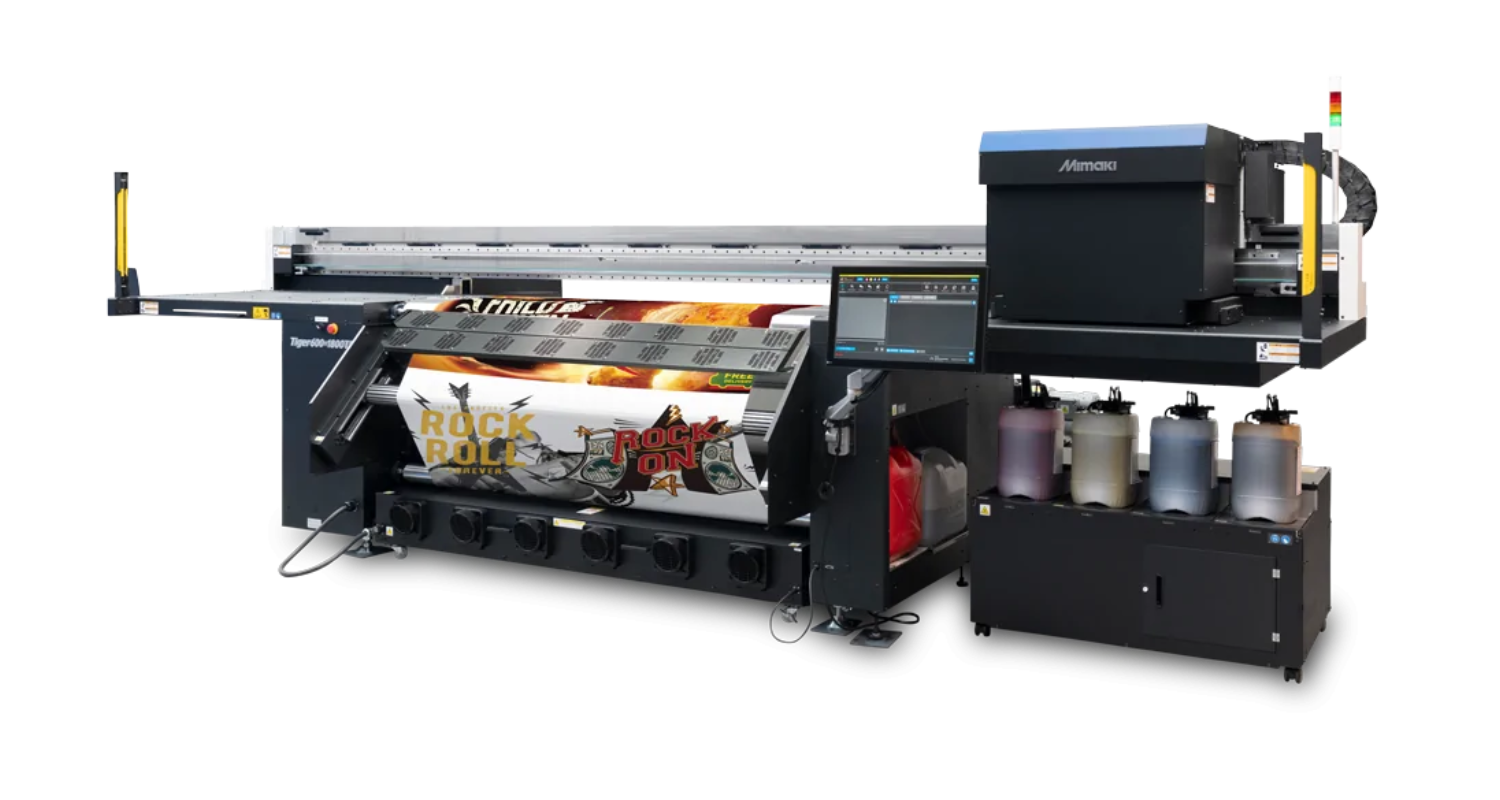
BLOG: New Mimaki 330 Series solvent printers. Future tech – available now
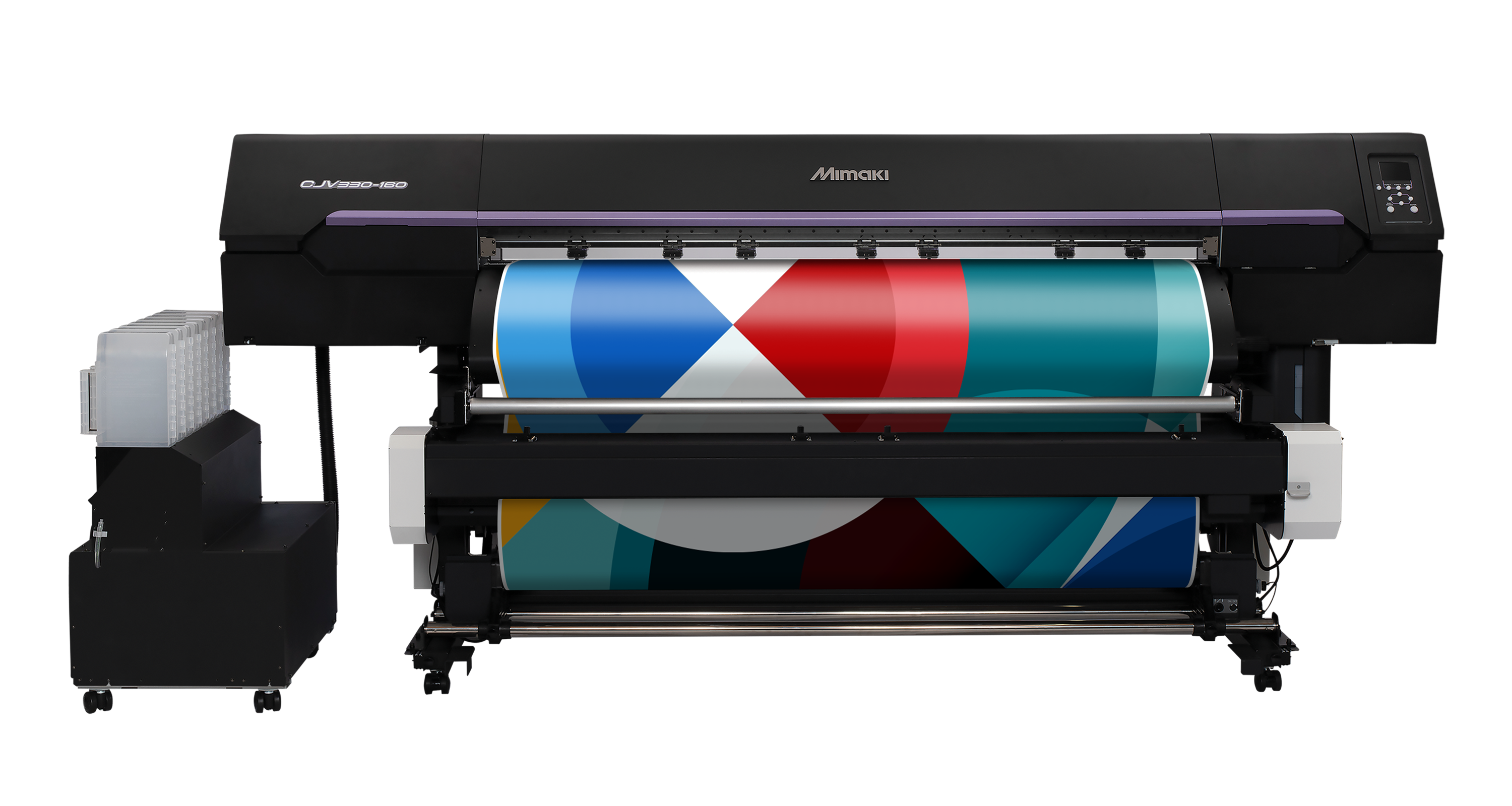
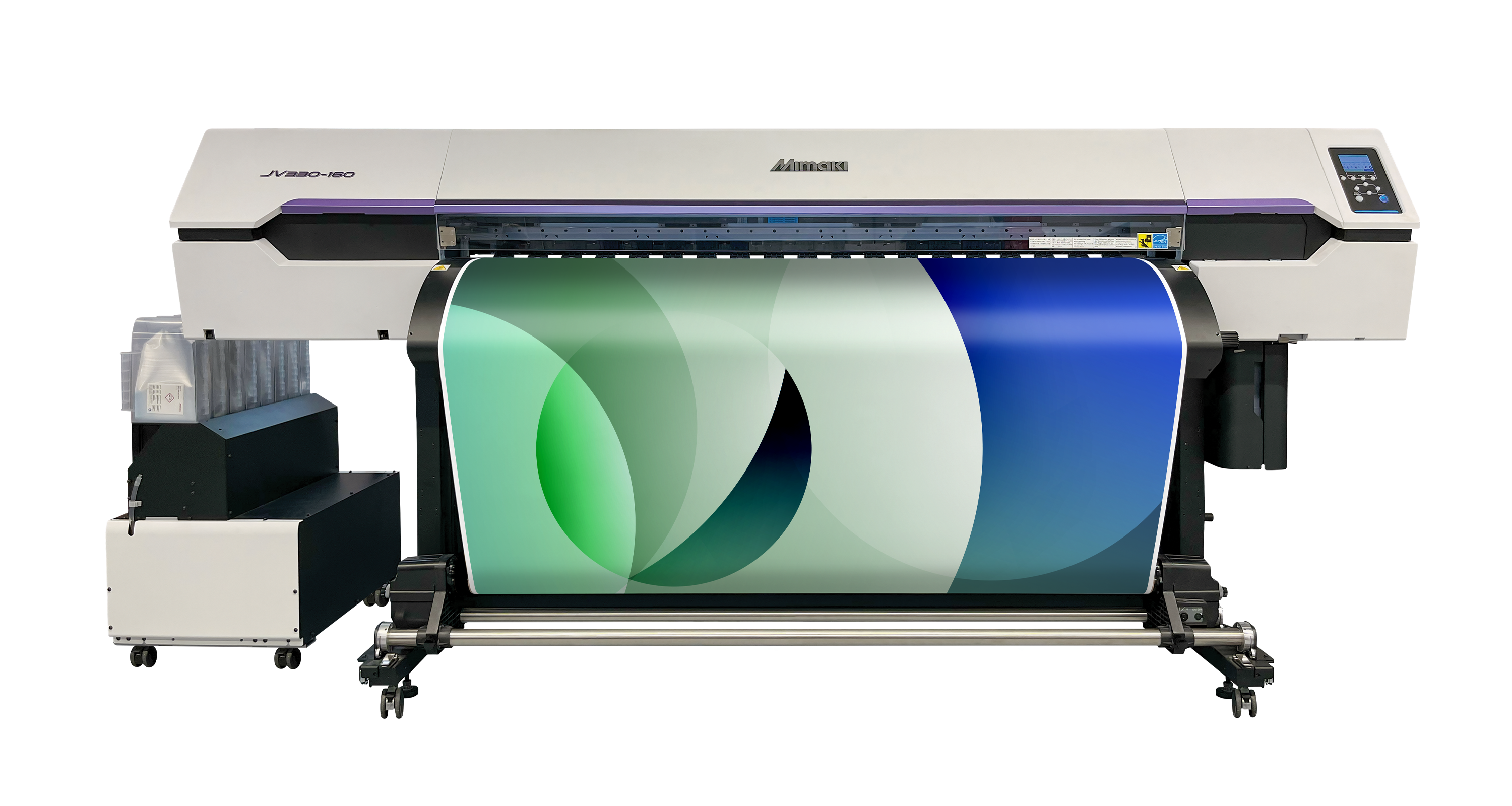
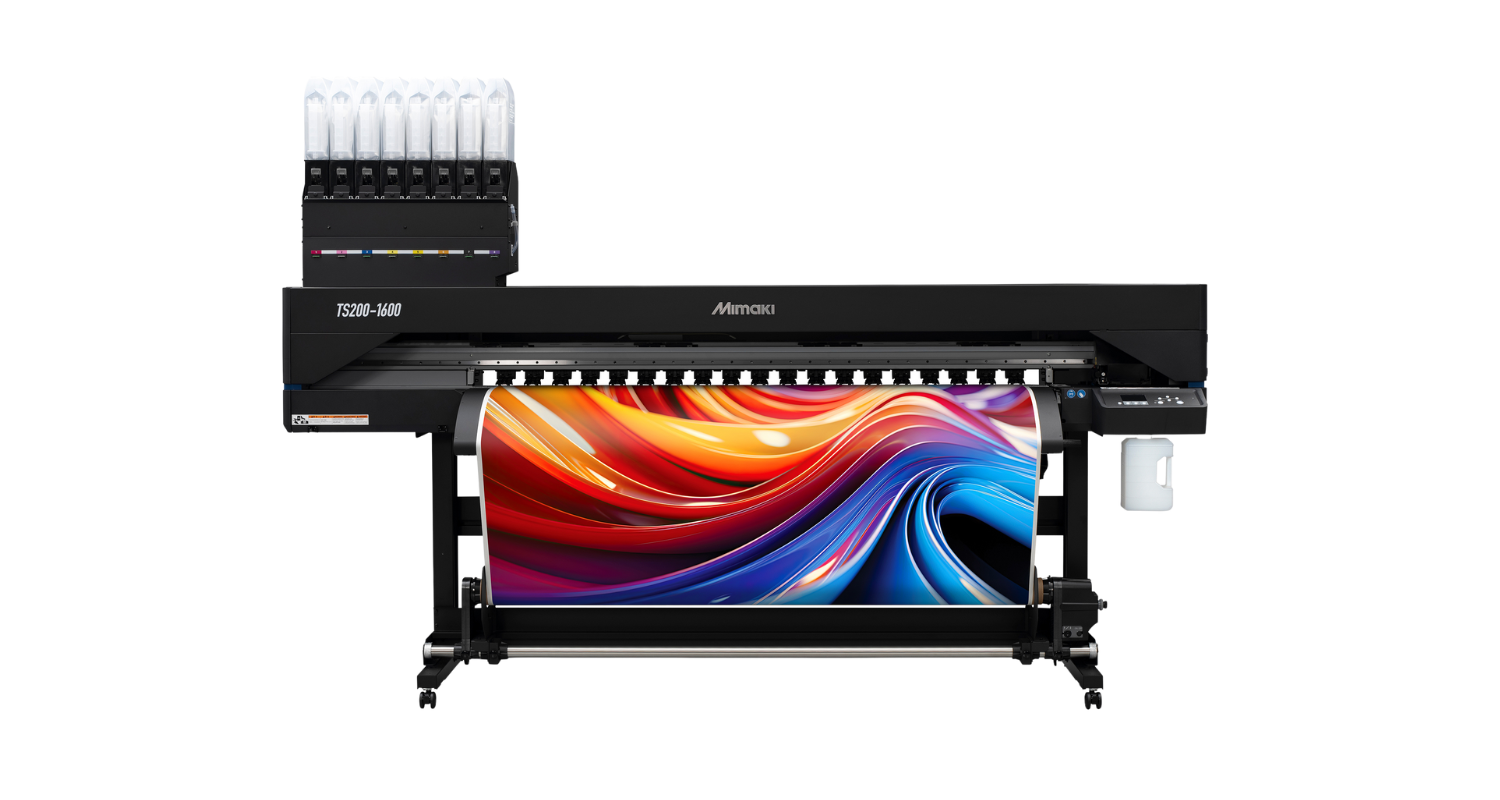
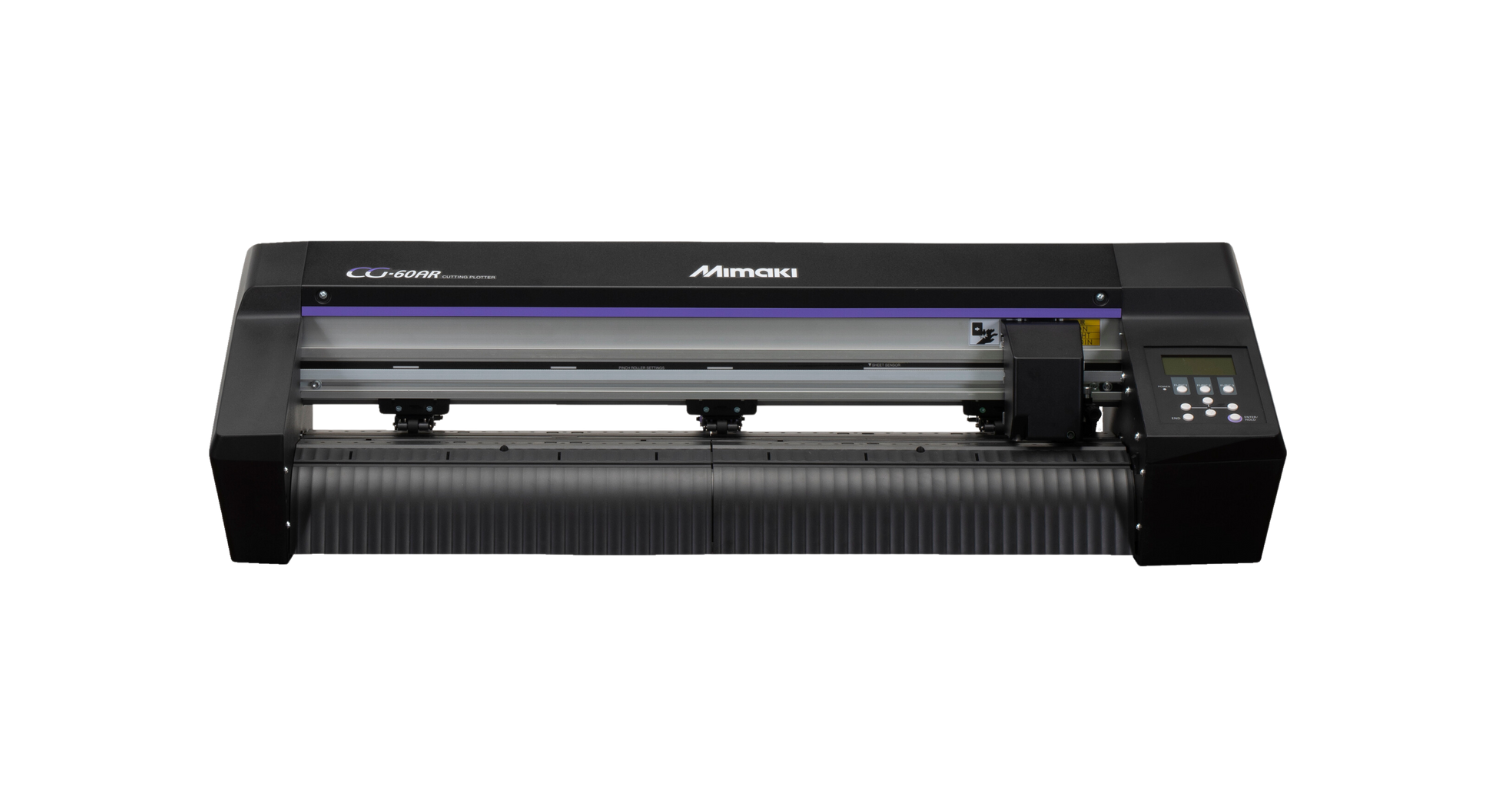
We recently announced the latest from a 20 year-long heritage of producing industry leading solvent printers, the new 330 Series from Mimaki, which includes two notable machines: the JV330-160 solvent printer and the CJV330 solvent printer/cutter.

GUEST BLOG: Behind the Name – Decoding Mimaki’s Products
Mimaki has, over the decades, released an extensive array of products, across multiple sectors and all using various technologies. What many may not know is that the product names alone tell a great deal about each printer or cutter, through a series of letters and numbers.

GUEST BLOG: Entering a New Era of Automation
All sectors, from automotive to aerospace to printing are entering into a new era coined “Industry 4.0”, representative of a more streamlined approach to production by utilising state of the art technologies to keep up with the increase in demand. The printing industry has focused in on one aspect of Industry 4.0 in particular, “automation”, to better connect printing technology and allow for a more seamless transition from when a customer places an order to its’ delivery. With its clear long-term benefits, this change is already happening in the industry – in Keypoint Intelligence’s Software Investment Outlook 2020-21, researchers found that more companies were investing in automation in these past two years, particularly to fulfil the large amount of smaller jobs[1].

GUEST BLOG: How Microfactories Can Change the Face of Fashion
With the all-important COP26 Climate Change Conference having taken centre stage in Glasgow in 2021, there is no time like the present for the fashion world to rally together in stepping up sustainability efforts and getting carbon emissions under control. Globally, the fashion industry is now estimated to account for around 10 percent of greenhouse gas emissions and 20 percent of wastewater[1], making the pursuit of greener production methods more pertinent than ever before. Thankfully, we are seeing a new era of production enter the fashion arena, with the increasing emergence of technologically advanced, highly automated microfactories.